What Are You Looking For?
 2025-10-22 15:24:24
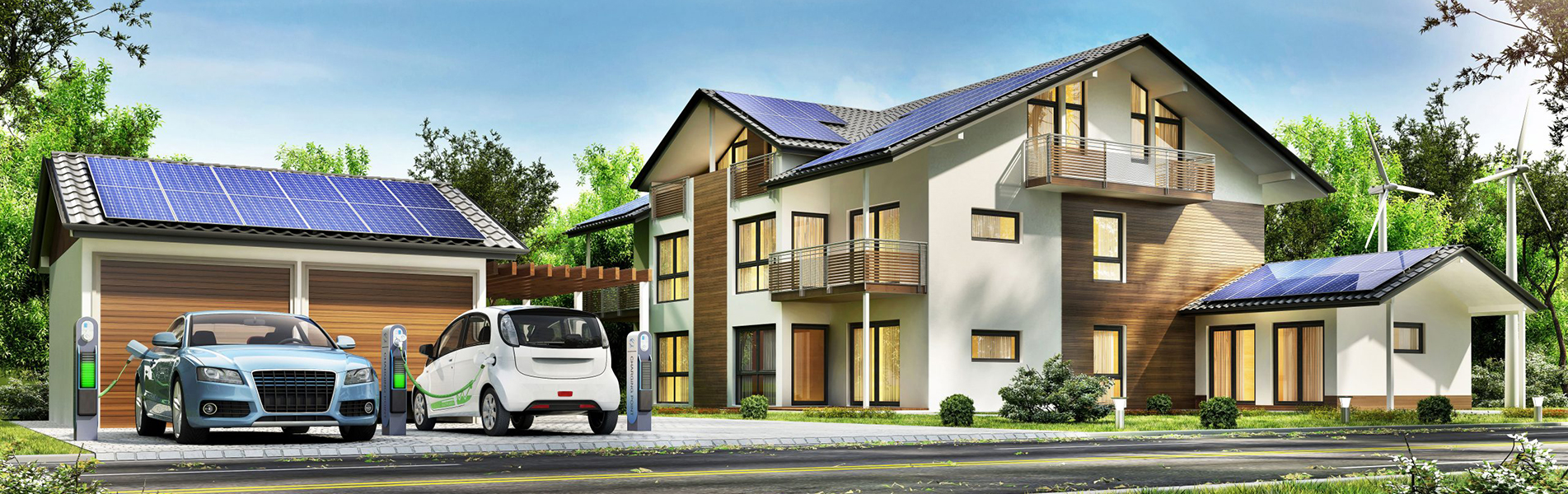
A solar off-grid system, as the name suggests, is a solar energy system that is not connected to the public power grid and operates completely independently. Utilizing its own equipment, it is capable of meeting all the energy needs of a specific facility (such as a house, farm, factory, or remote village), making it one of the key solutions for achieving "energy self-sufficiency."
I. Key Components
A complete solar off-grid system consists of four main components, none of which can be omitted:
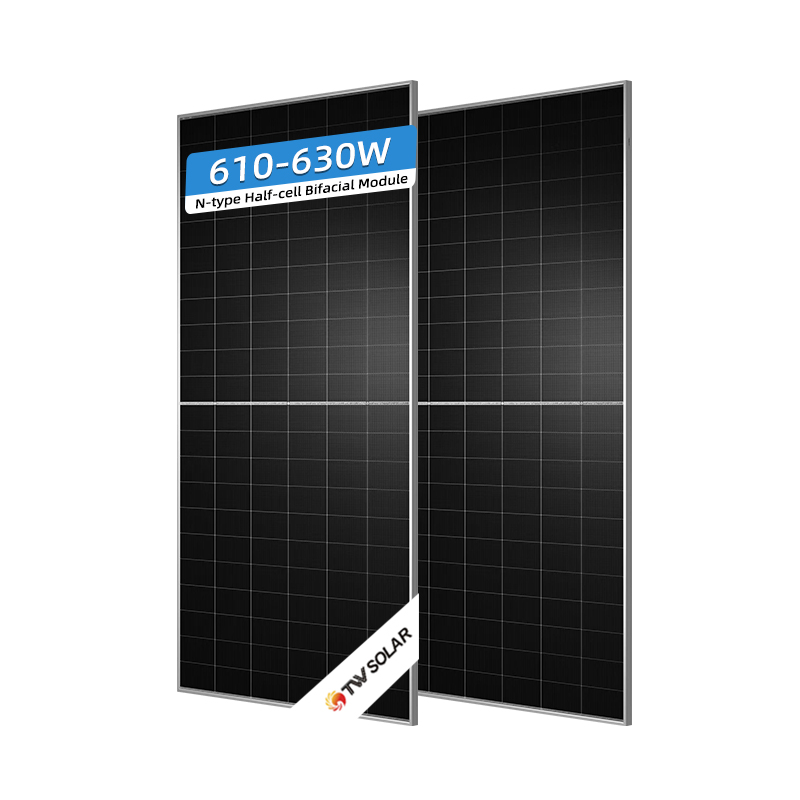
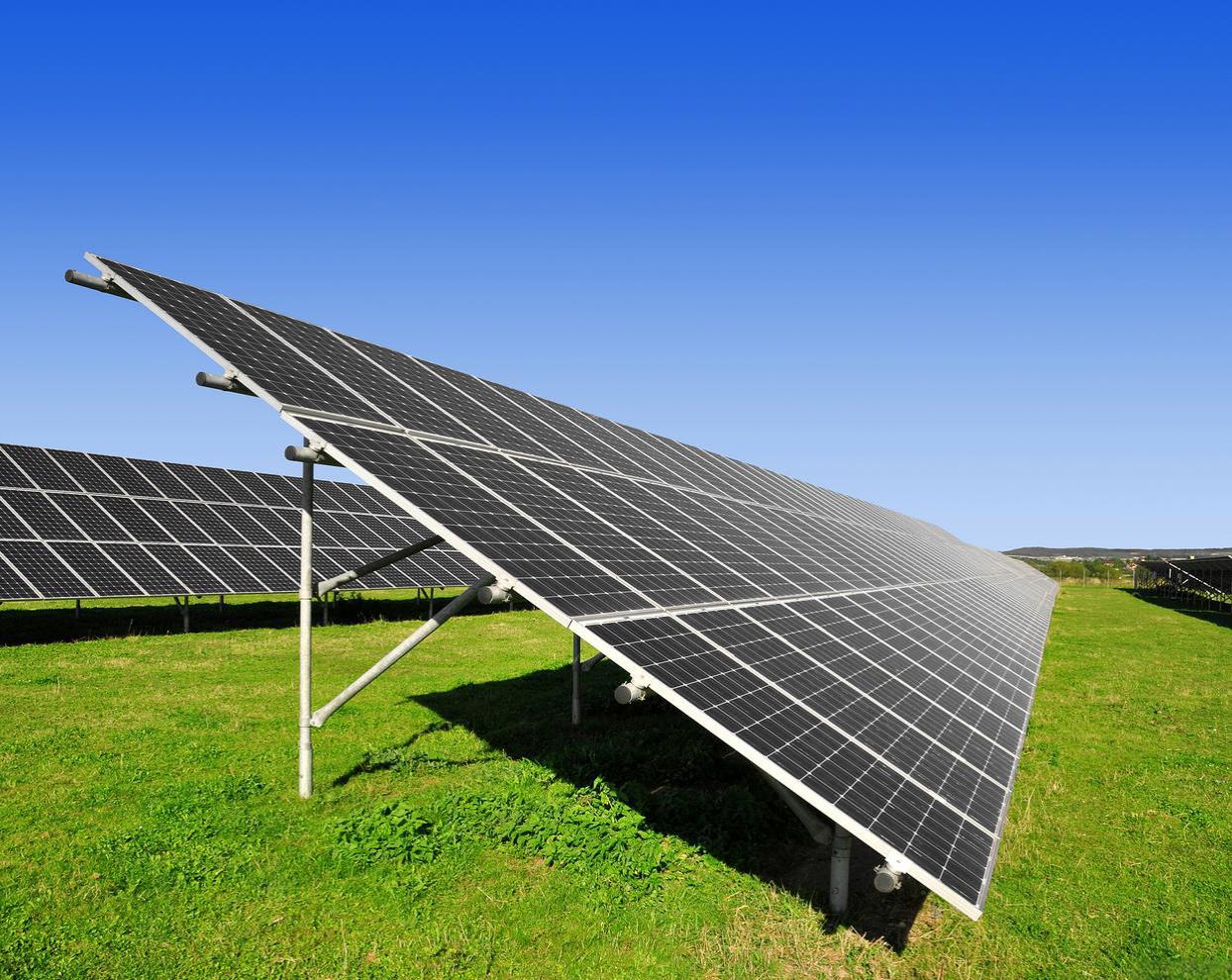
Solar Panels: The "energy collectors" of the system, responsible for directly converting sunlight into direct current (DC). They are the source of power for the entire system.
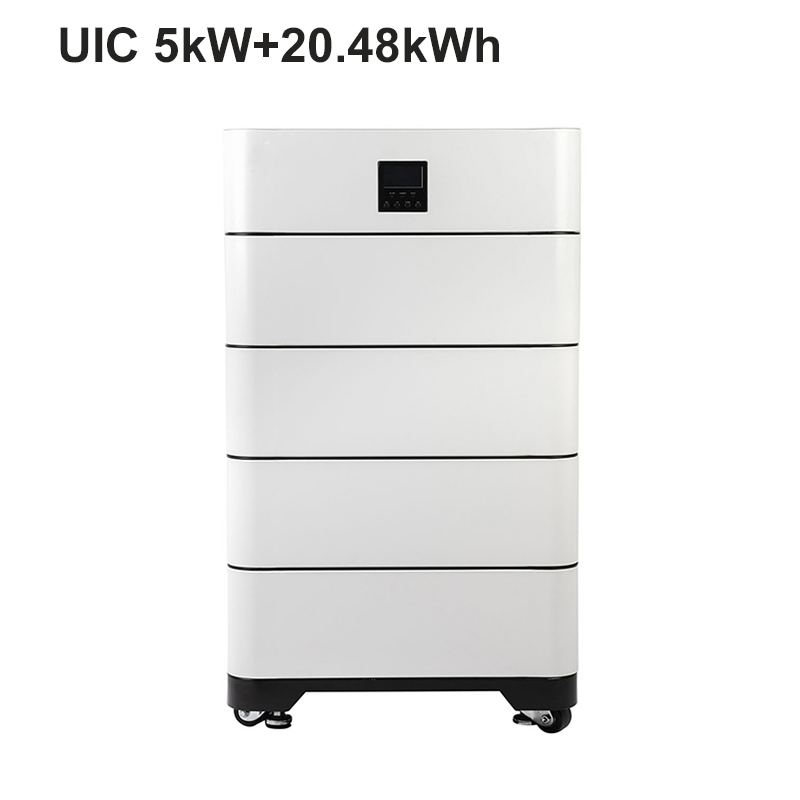
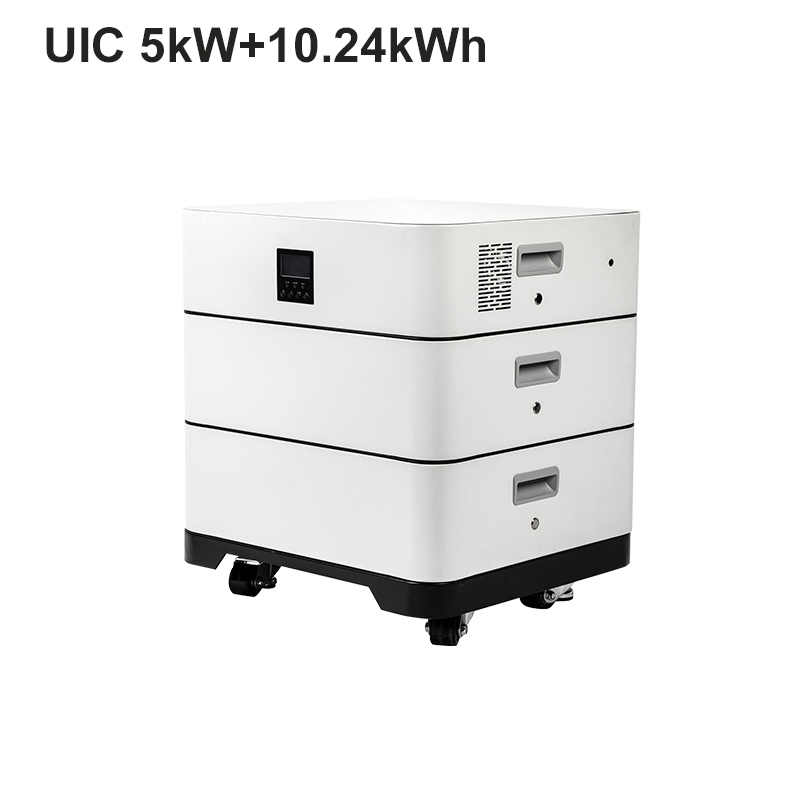
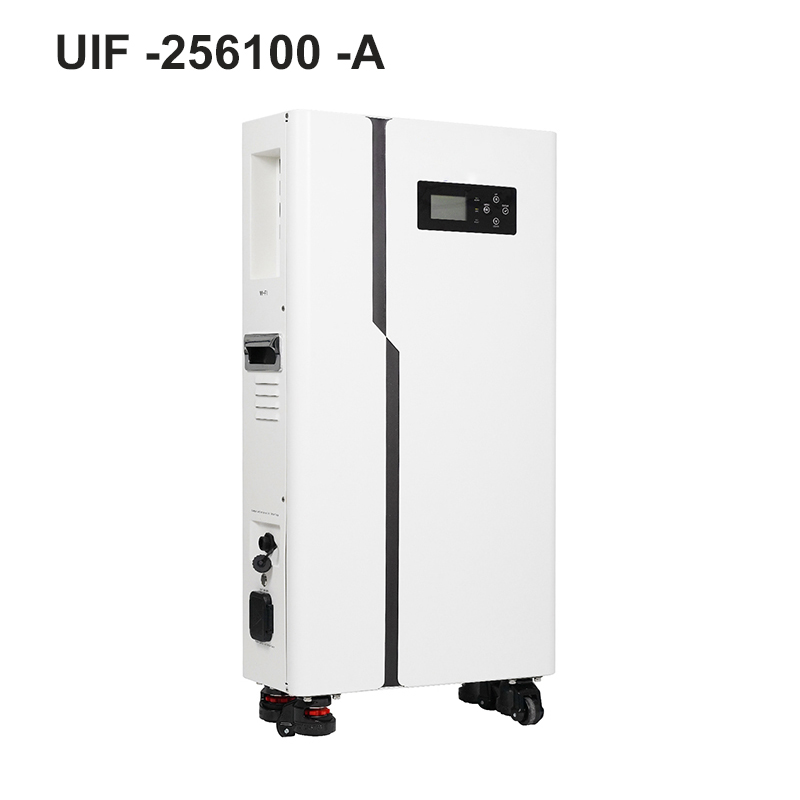
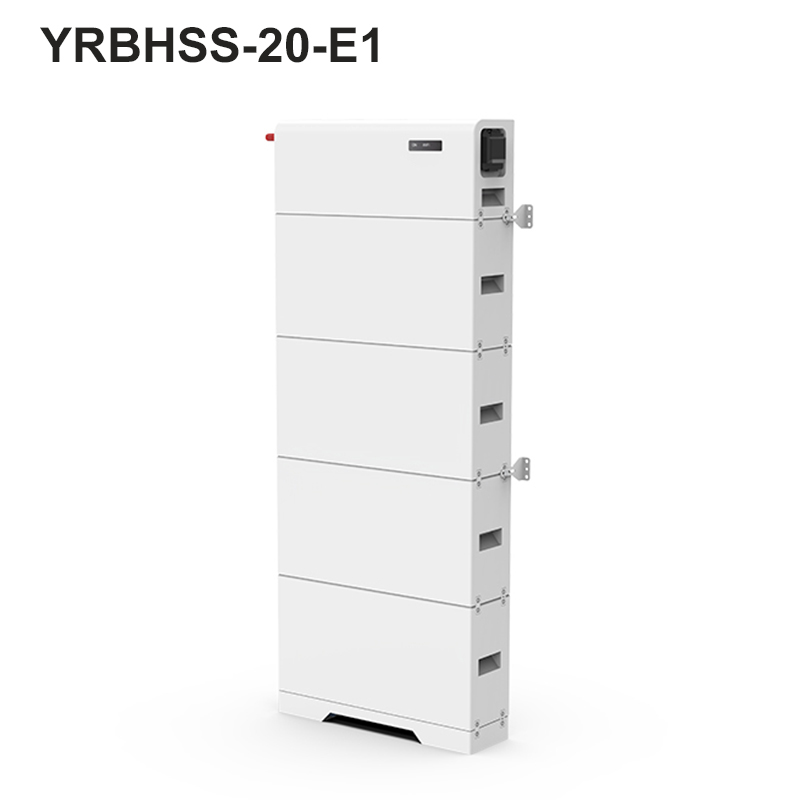
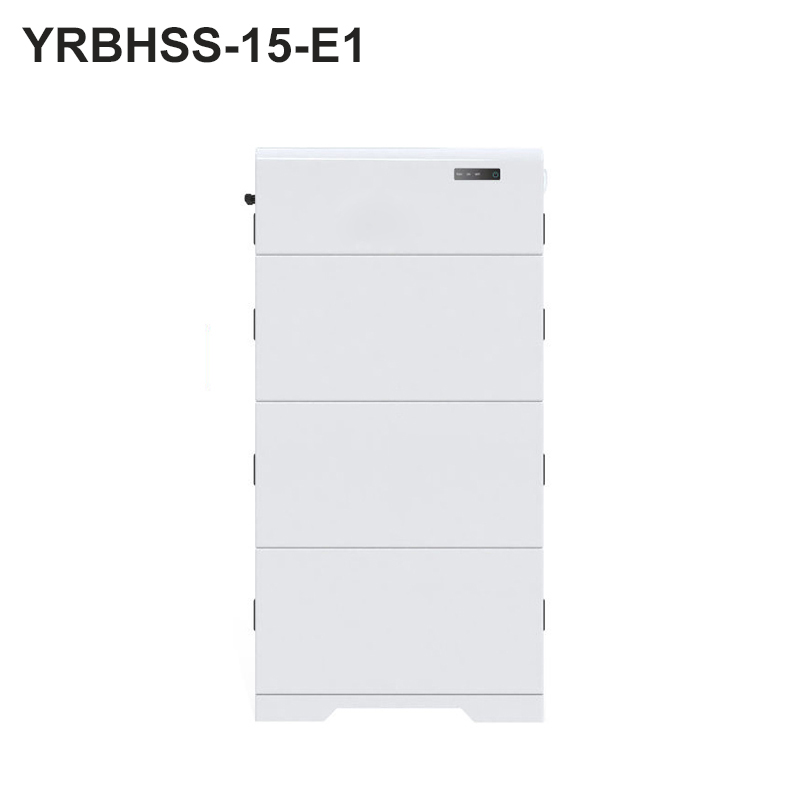
Batteries: The "energy storage" of the system. This is the core and key element of an off-grid system. Since solar energy is intermittent (available during the day, unavailable at night), batteries store excess electricity generated during the daytime for use at night, on cloudy days, or when sunlight is insufficient, thereby ensuring a continuous and stable power supply.
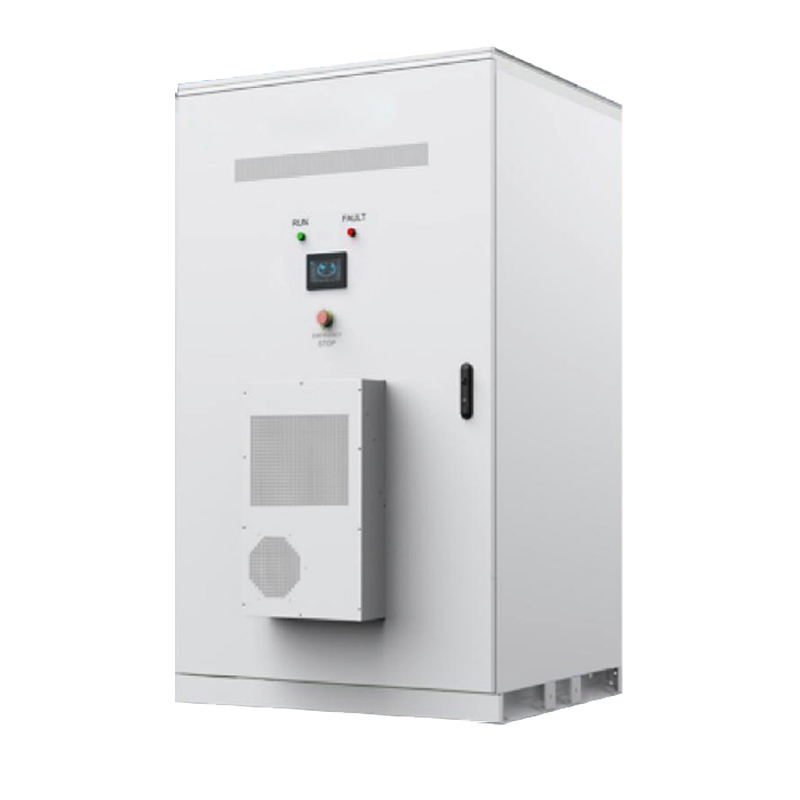
Off-Grid Inverter: The "heart" and "brain" of the system. It performs two key tasks: firstly, it converts the direct current from the batteries into the alternating current (AC) required by household appliances; secondly, it intelligently manages the distribution of energy within the system, controlling the charging and discharging processes.
Charge Controller: The "protector" of the system. It is installed between the solar panels and the batteries, and its primary function is to precisely regulate the voltage and current of the charge, preventing overcharging or excessive discharging of the batteries, thereby effectively extending their service life and improving the overall efficiency of the system.
II. System Operating Principle
The operation of the system represents an intelligent dynamic cycle:
When sunlight is available: The solar panels generate electricity, which primarily powers the current electrical appliances. If excess electricity is produced, the remaining energy is automatically stored in the battery bank.
When sunlight is unavailable (at night or on cloudy days): The solar panels do not operate. At this time, the control system switches immediately, and the battery bank begins to discharge, transferring energy through the inverter to continue powering various loads.
The essence of system design lies in the "balance of supply and demand" — that is, ensuring that the stored energy is sufficient to maintain operation until the next sunny day, even during prolonged cloudy weather.
III. Key Application Areas
Thanks to its "independent and self-sufficient" nature, the system offers undeniable advantages in certain scenarios:
Energy-deficient or remote areas: Providing basic household and productive electricity supply in remote mountainous regions, pastures, islands, and villages in developing countries that lack access to the power grid.
Specialized industrial and telecommunications facilities: Providing stable power supply for monitoring stations along highways and railways, oil pipelines, as well as mobile communication base stations where grid access is difficult or economically unviable.
Outdoor recreation and emergency power: Widely used to power RVs, yachts, and camping sites; it can also serve as an emergency power source during natural disasters, providing critical electricity when the main grid fails.
IV. Advantages and Challenges
Advantages:
Energy independence: Not subject to power grid outages or fluctuations in electricity tariffs.
Clean and environmentally friendly: Zero emissions, silent operation.
High flexibility: Capable of flexible design and installation according to specific needs.
Existing challenges:
High initial investment: The cost of batteries accounts for a significant portion of the total system cost.
Weather dependence: The amount of electricity generated depends on sunlight conditions, which requires precise configuration and energy management.
Energy storage limitations: Batteries have a limited service life and require periodic replacement, increasing long-term maintenance costs.
In conclusion, a solar off-grid system represents a highly integrated clean energy solution. Through the ingenious combination of power generation, energy storage, and intelligent management technologies, it successfully overcomes the inherent drawback of solar intermittency, providing stable and reliable electricity supply for a wide range of scenarios — whether off-grid or pursuing energy autonomy. It stands as an important driving force in the global energy transition and the push for universal energy access.




 Home
Home